Low-Profile Safety Tips for Solo Travelers
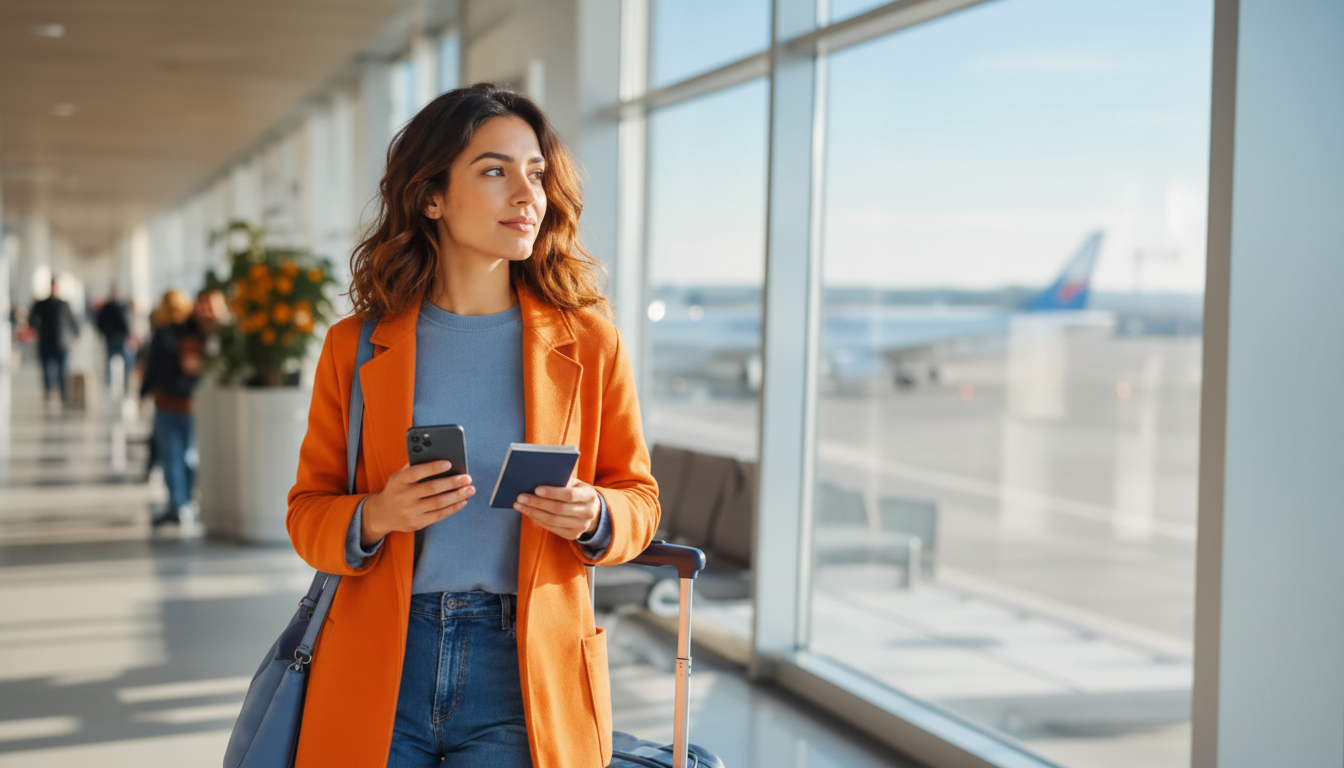
How can solo travelers reduce personal safety risks without drawing attention?
Keep your “tourist signals” low-key
Blend in by dressing simply, skipping flashy jewelry, and choosing bags that look common for the area. Keep cameras, maps, and tickets out of sight until you need them, and avoid stopping in the middle of sidewalks to look around. When you must check directions, step into a café or near a wall so you’re not advertising distraction.
Build quiet layers of security
Use a crossbody bag with a zipper, keep one payment card separate from your wallet, and carry only the cash you expect to spend that day. Turn on a phone screen lock and disable lock-screen message previews so notifications don’t reveal personal details. If you’re using earbuds, keep one ear free so you can hear what’s happening around you.
Move with purpose, even when you’re unsure
Predators often look for hesitation. If you’re lost, walk into a well-lit business and regroup. A simple “Sorry—meeting someone nearby” can discourage unwanted conversations without escalating. At night, choose brighter routes with open businesses, and use rideshare pickup points that are visible and busy.
Use “soft” check-ins that don’t broadcast your location
Share your itinerary and lodging details privately with a trusted contact, and set a regular check-in time. Avoid posting real-time location updates on public social media; post later instead. In hotels, don’t say your room number out loud, and consider using the room safe for backup cash and documents.
For more practical, low-profile precautions, read the full guide here: https://selectivehitarea.shop/how-can-solo-travelers-reduce-personal-safety-risks-without-drawing-attention/.
FAQ
What should you do if you lose your phone while traveling alone?
Log into your account from another device to use “Find My” tools, lock the phone, and display a callback message. Contact your carrier to suspend service, then change passwords for email, banking, and travel apps. Keep a written list of emergency numbers and booking details so you can recover access quickly.









Leave a comment