Calm Your Mind: Guided Audio Meditation for Anxiety
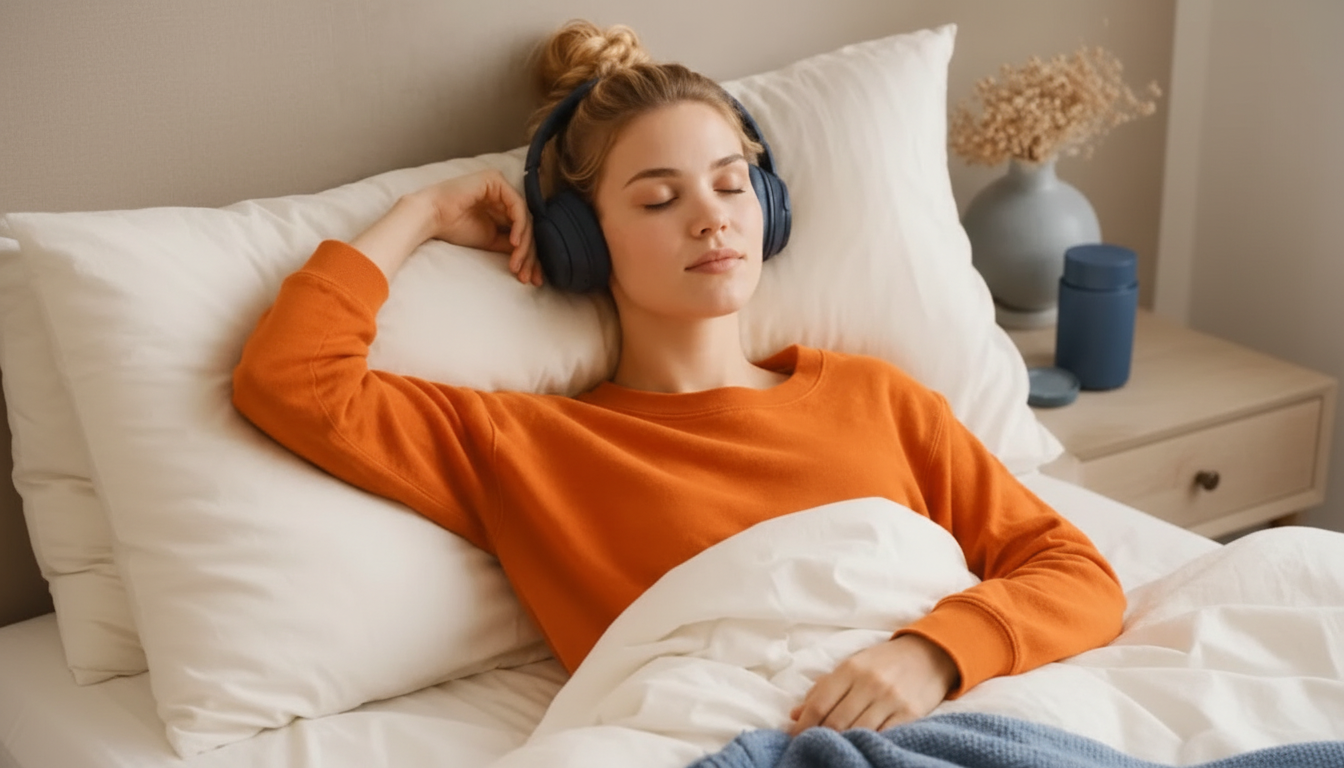
Calm Your Mind with a Guided Meditation Audio Course
Anxiety can feel like a constant mental “tabs open” problem—racing thoughts, tension, and a nervous system stuck on alert. A guided meditation audio series offers a practical way to downshift from overwhelm into steadier, calmer focus through short, repeatable practices that fit real life—whether you’re winding down at night, bracing for a hard conversation, or trying to reset after a stressful notification.
Mindfulness and meditation are widely used approaches for stress management, and reputable health organizations describe potential benefits that include improved relaxation and coping with stress responses when practiced consistently. For additional background, see the National Center for Complementary and Integrative Health (NCCIH) overview on meditation and mindfulness and the Mayo Clinic guide to meditation.
What this guided meditation series is
- An audio-based course built around guided practices that support relaxation, grounding, and emotional regulation.
- Designed for anxious moments as well as daily maintenance—so practice isn’t limited to “perfect conditions.”
- A structured alternative to trying random meditations and hoping something clicks.
Who it’s for (and when it helps most)
- People dealing with worry loops, stress reactivity, sleep-related racing thoughts, or tension that builds throughout the day.
- Beginners who want clear guidance rather than silent meditation.
- Anyone who benefits from listening-based routines (commutes, breaks, pre-sleep wind-down).
- Useful moments: before a stressful conversation, after a triggering notification, during afternoon fatigue, or when settling into bed.
How guided audio supports anxiety relief
- Breath and body awareness can help signal safety to the nervous system, easing physiological arousal over time.
- Attention training builds the skill of noticing thoughts without automatically following them into a spiral.
- Grounding cues (senses, body scan) can reduce rumination by reconnecting attention to the present moment.
- Short consistency beats intensity: regular practice tends to work better than one long session once in a while.
Stress affects the body in very real ways—sleep, muscle tension, digestion, and focus can all take a hit. The American Psychological Association (APA) overview of how stress affects the body is a helpful reminder that calming skills aren’t “extra”; they support your baseline functioning.
A simple way to use the course (without overthinking it)
- Choose one time anchor: after waking, lunch break, or right before sleep.
- Start small: 5–10 minutes daily for the first week, then increase only if it feels supportive.
- Replay the same track for several days: familiarity often reduces anticipatory anxiety (“What if it doesn’t work today?”).
- Mind wandering is part of the practice: the “win” is noticing and returning—no need to force blankness.
Quick practice plan by situation
| Situation | What to do | Goal |
|---|---|---|
| Racing thoughts at night | Use a calming track at low volume; lie down and follow breath cues | Reduce arousal and ease into sleep |
| Panic-leaning sensations | Choose a grounding practice (body scan or senses) with slower breathing | Stabilize attention and lower intensity |
| Workday overwhelm | Take a short session on a break; keep posture upright | Reset focus and reduce reactivity |
| Post-argument stress | Listen to a compassion/settling practice; soften shoulders and jaw | Downshift and recover emotional balance |
What to expect in the first 1–2 weeks
- Some sessions may feel immediately soothing; others may feel “busy” as awareness increases—both can be normal.
- Progress often looks like faster recovery from stress, fewer spirals, and smoother sleep onset rather than constant calm.
- Consistency matters more than session length; a short daily practice can be enough to build momentum.
- If strong emotions come up, pause and return to grounding (feet on floor, room scan, slower exhale).
Best practices for a calmer listening experience
- Use headphones if possible; keep volume comfortable to avoid adding tension.
- Pair the session with a cue (tea, dim light, a specific chair) to build a calming association.
- Avoid multitasking during the first few listens; later, light activities (stretching, walking) may work well.
- Create a “minimum viable” routine: even 3 minutes counts on hard days.
Safety notes and when to get extra support
- Meditation is generally safe, but intense anxiety, trauma symptoms, or dissociation may require professional guidance.
- If listening increases distress, stop the session, ground in the environment, and consider speaking with a qualified clinician.
- This type of audio practice is a supportive tool and not a substitute for medical advice, diagnosis, or treatment.
Featured audio course and supportive tools
Calm Your Mind: Guided Meditation Series | Audio Course | Anxiety Relief Meditation
- A guided audio series aimed at helping reduce anxiety and cultivate steadier attention through repeatable, calming practices.
- Designed to be replayed so you can build familiarity and confidence over time.
- Suitable for daily routines, quick resets, and bedtime wind-downs.
- Price: $28.99 (in stock)
Helpful add-ons for lowering everyday stress
- Minimalist Travel Packing Planner | Digital Packing Guide for Light, Smart & Stress-Free Trips (in stock): a simple way to reduce pre-trip overwhelm by making decisions once and reusing a system.
- Are You Ready? Pet Adoption Decision Workbook | Printable Pet Adoption Guide (in stock): a structured workbook for big-life decisions when anxiety shows up as second-guessing and “what if” loops.
FAQ
How often should guided meditation be used for anxiety relief?
For many people, 5–10 minutes most days is a realistic starting point. Consistency tends to matter more than length, and it’s fine to increase duration only when it feels supportive rather than forced.
What if the mind won’t stop racing during a session?
Racing thoughts are common, especially at the start. Pick a simple return point (the breath, the feeling of your feet, or nearby sounds) and practice coming back gently; replaying the same track for a few days can make it easier to settle.
Can guided meditation help with sleep anxiety?
Wind-down practices can reduce arousal so the body gets a clearer “safe to rest” signal. Try listening 30–60 minutes before bed or in bed with low volume and dim lighting to make the transition into sleep feel smoother.












Leave a comment