Do Dogs Know You’re Packing? Signs and Calming Tips
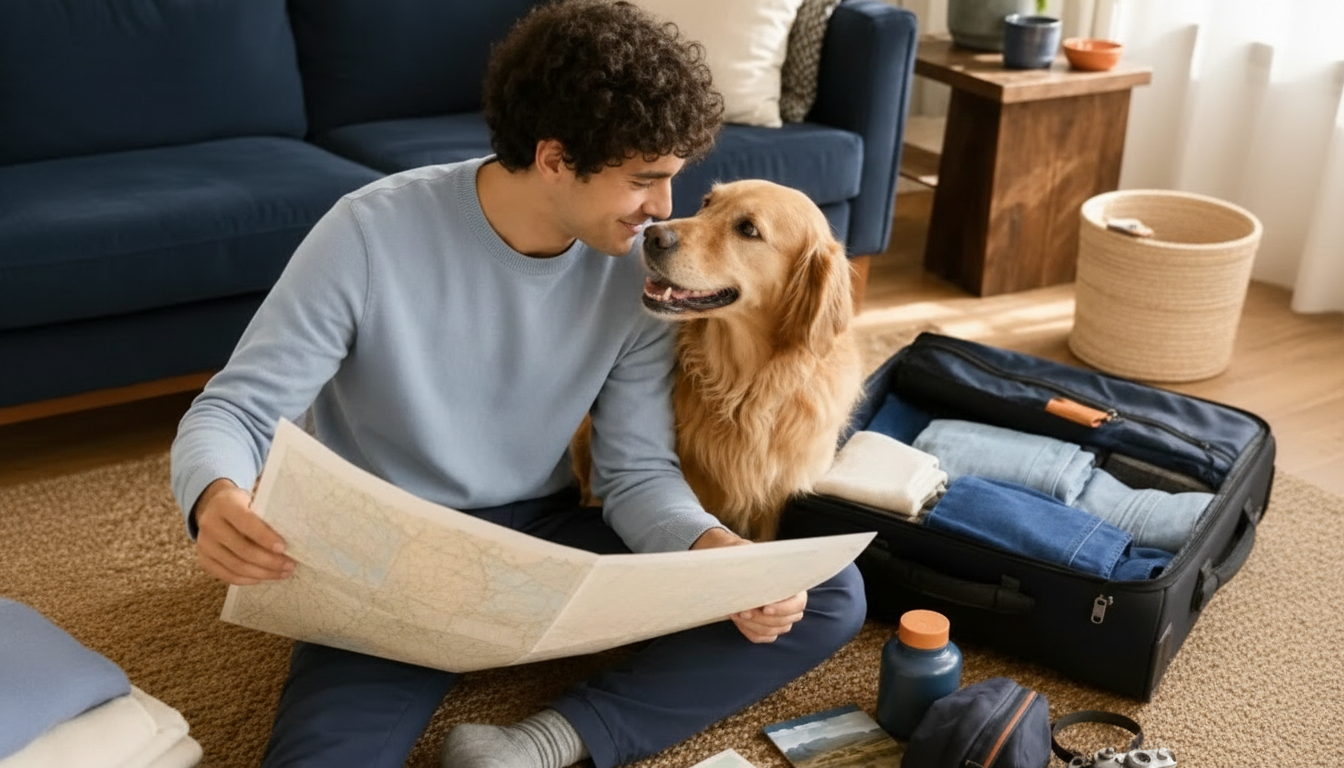
Do dogs know when you’re packing for a trip?
Many dogs seem to know long before you walk out the door. They may hover near the suitcase, follow you from room to room, or act unusually clingy or excited. It’s not that dogs understand “vacation” the way people do, but they’re excellent at noticing patterns and predicting what comes next.
How dogs pick up on packing cues
Dogs are masters of associative learning. If a suitcase, toiletry bag, or a certain closet only appears before you leave for days at a time, your dog connects those objects with the outcome: you being gone. Even small routines—doing laundry at odd times, charging devices, setting out travel shoes, or moving pet supplies—can signal that something different is happening.
Why your dog reacts before you even leave
Once a dog recognizes the “packing sequence,” their emotions can kick in early. Some dogs become anxious because past trips meant separation. Others get energized because trips sometimes include car rides, new smells, or extra attention. Your dog may also read your body language and pace; changes in your tone, stress level, or rushed movements can amplify their response.
What to do if packing makes your dog stressed
Try packing gradually and neutrally—bring out the suitcase, then ignore it. Pair packing time with a calm activity like a chew or a sniffy food puzzle, and keep departures low-key to avoid creating a big emotional spike. For dogs with strong separation issues, practice short “fake departures” and increase duration slowly.
For a deeper look at the signs dogs notice and how to help them feel secure, visit Do dogs know when you’re packing for a trip?.
For Do Dogs Know You’re Packing? Signs and Calming Tips, the best answer depends on fit, material, care instructions, and how the product will be used day to day.
FAQ
How can I help my dog stay calm when I leave the house?
Keep goodbyes brief, provide a lasting enrichment item, and establish a consistent routine. If your dog escalates to panic behaviors, talk with a veterinarian or qualified trainer about a structured separation plan.












Leave a comment