Parent-Child Communication Workbooks: Best Ages & Fits
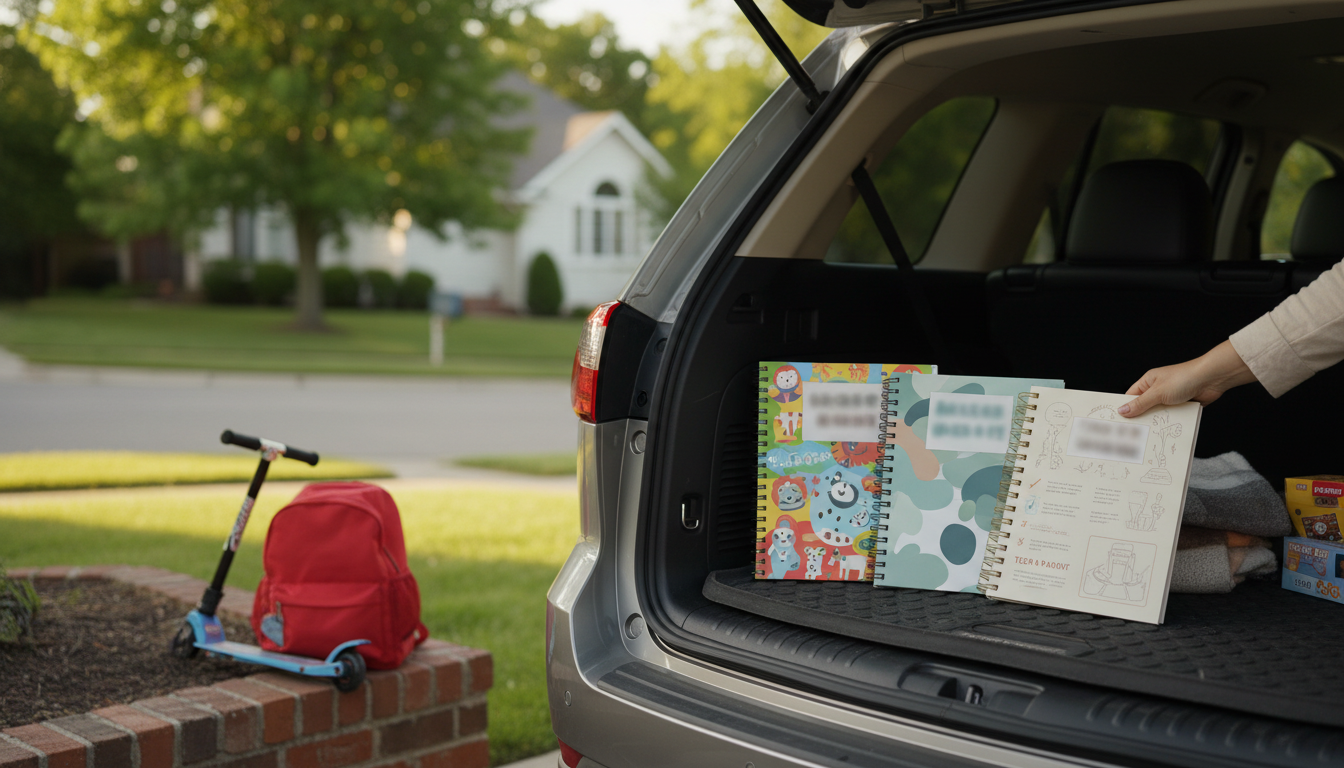
Who is a parent-child communication workbook best for (ages and family situations)?
A parent-child communication workbook is best for families who want a simple, repeatable way to talk, listen, and problem-solve together—especially when emotions run high or time feels tight. It’s most helpful when adults want more than “How was your day?” and kids need more support putting feelings into words.
Best ages for a parent-child communication workbook
Ages 4–7: Great for building basic emotional vocabulary (“mad,” “worried,” “proud”) and practicing short, guided check-ins. Look for visuals, prompts, and activities that keep conversations concrete and brief.
Ages 8–12: Often the sweet spot. Kids can reflect, explain what happened, and try simple repair steps after conflict. Workbooks help turn arguments about chores, homework, or friendships into structured conversations.
Ages 13–17: Still a strong fit, especially when paired with privacy-respecting prompts and collaborative goal-setting. Teens may engage more when they can choose topics, write first, or set boundaries for how long the talk lasts.
Family situations where workbooks help the most
Busy households: If schedules are packed, a workbook keeps communication consistent without requiring a long family meeting. A short routine can be easier to sustain than occasional “big talks.”
After frequent conflict: Families stuck in repeated arguments (tone, screen time, sibling issues) benefit from prompts that slow down reactions and encourage listening before fixing.
Co-parenting or blended families: A shared framework can reduce mixed messages by giving kids predictable language and steps across homes, even when rules differ.
Big transitions: Moves, new schools, a new sibling, divorce, grief, or returning to in-person life after a hard season can make kids shut down or act out. Guided questions help uncover what’s underneath the behavior.
Neurodiverse families: For kids with ADHD, anxiety, or sensory differences, structured prompts can reduce overwhelm and make expectations clearer—especially when conversations stay short and specific.
For a practical, time-friendly approach, see the routine outlined here: 10-minute parent-child communication routine.
FAQ
How do you start a 10-minute daily connection routine with your child?
Pick a consistent time, use 2–3 simple prompts, and end with one small plan for tomorrow. Keeping it short and predictable makes it easier for kids to participate.












Leave a comment